Coco One
When a food product is ready for retail shelves, buyers and stockists will look it up. If there’s nothing to find, that’s a problem. Coco One, an organic coconut milk drink made from raw coconuts, had a product worth stocking but no website to back it up.
The client
Coco One is an Australian coconut milk brand produced by Auslifestyle Trader, based in Thomastown, Victoria. The product is a dairy-free, gluten-free coconut milk drink made with organic coconuts and no added sugar. It’s positioned as a nutritious alternative to dairy milk, sold through retail stockists rather than direct to consumers online.
The challenge
Without a website, Coco One had no central place to explain the product, establish credibility, or give retailers the information they needed to make a stocking decision. Social media and distributor listings can fill some of that gap, but they don’t do the same job. A buyer evaluating a new product wants to see a brand that looks considered and serious. A consumer who spots it in a store and pulls out their phone wants to understand quickly what they’re buying and why.
The brief was essentially: build something from nothing that works for both audiences.
What we built
A custom WordPress theme built around the brand
Because Coco One had no existing digital presence, there was no legacy to work around. That was an opportunity. We built a custom WordPress theme from scratch, which meant every design decision, colour, layout, typography, and imagery treatment, could be shaped around the brand rather than adapted from a template.
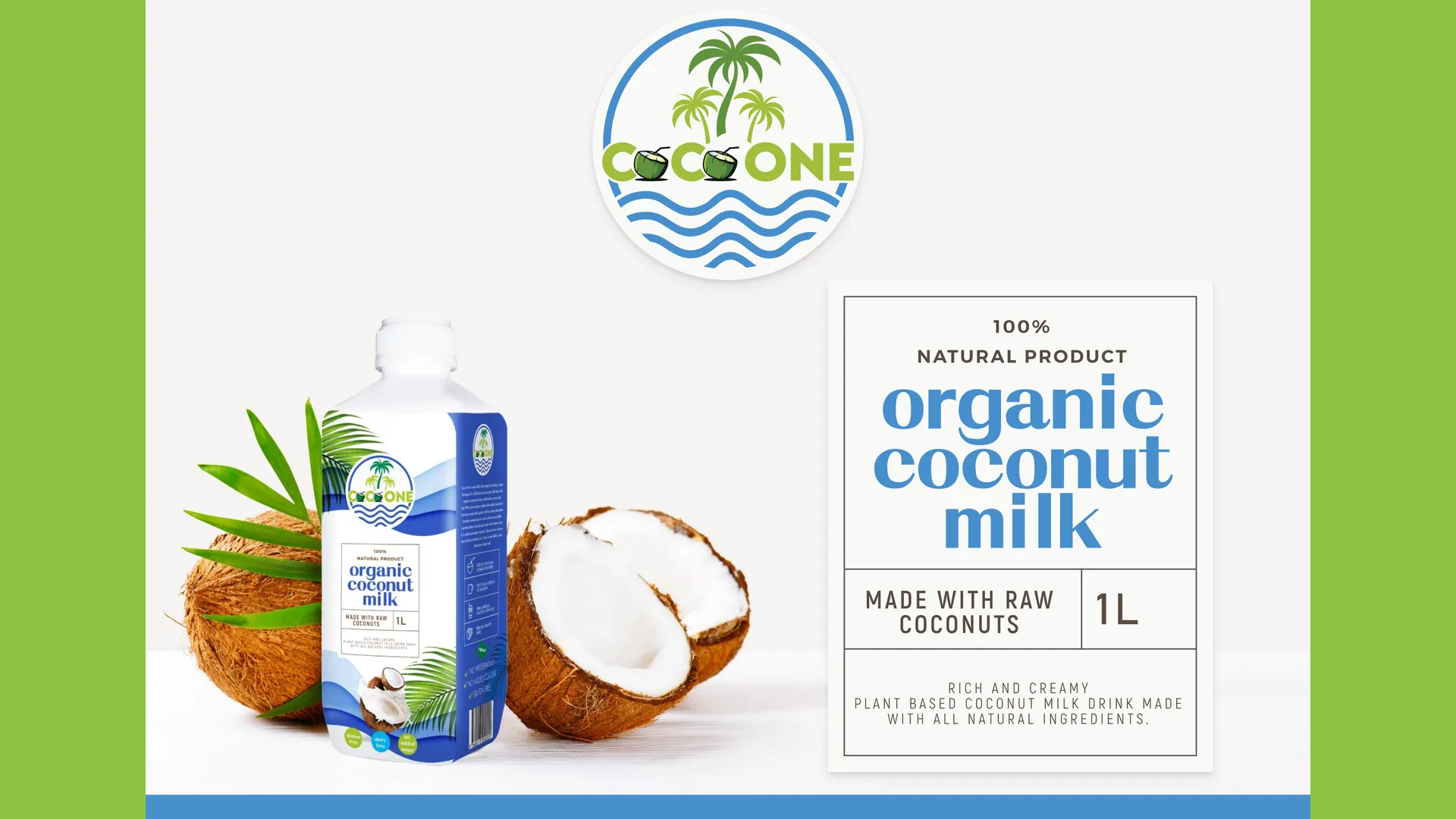
The visual direction leans into the product’s natural credentials. Clean layouts, considered use of white space, and photography that puts the product and its ingredients front and centre. The result looks like a brand that knows what it is, which matters when a buyer is comparing it to established competitors on a shelf or in a catalogue.
Built to inform, not to sell
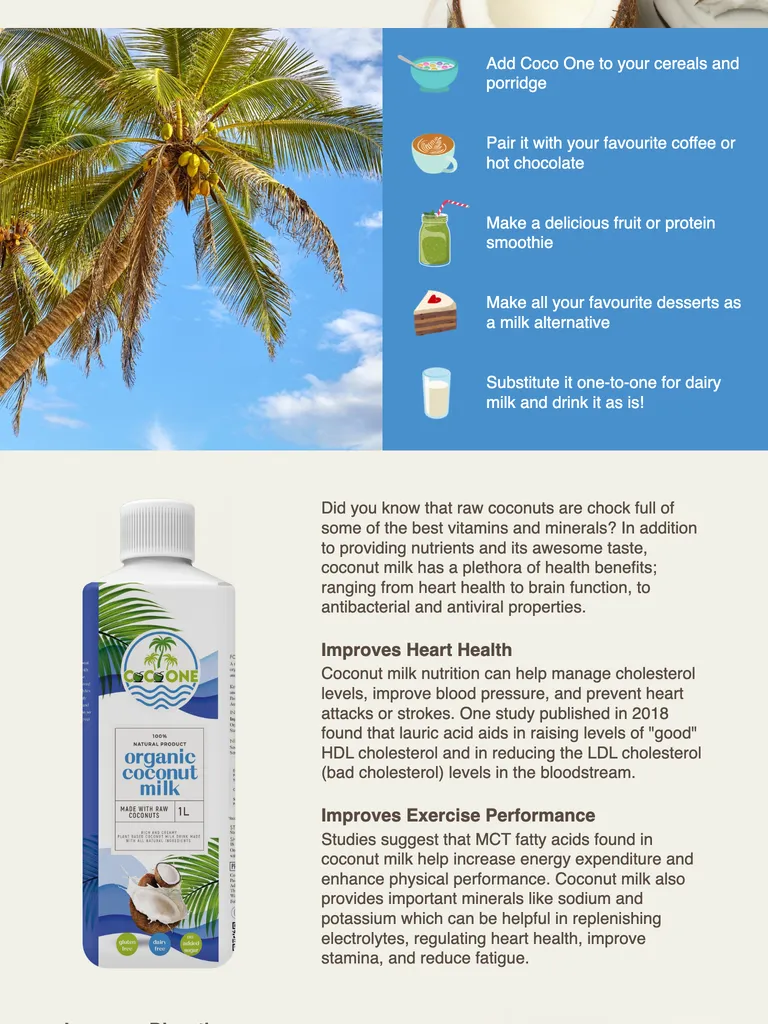
Coco One doesn’t sell direct. The site’s job is to answer questions and build confidence, not to process transactions. The structure reflects that. The homepage establishes what the product is and what makes it distinctive. A nutritional information page gives health-conscious consumers and buyers the detail they want without burying it. A downloadable product brochure gives trade contacts everything they need in one place.
The content covers the product’s health credentials in plain, factual terms: the role of MCTs, lauric acid, electrolytes, and vitamins without veering into unsubstantiated claims. That balance matters for a food product, especially one positioning itself in the health and wellness space.
The result
Coco One went from no web presence to a polished brand site that holds up against established players in the dairy-free drinks market. The site gives retailers and curious consumers a credible place to land, and the client has full control over content through WordPress as the product range evolves.
Working on something similar?
If you’re launching a product and need a brand site that works for both trade buyers and consumers, get in touch and we can talk through what that might involve.